Best 3-Axis Gimbal Cameras for Smooth on-the-Go Video
For creators who want steady footage without a heavy setup, 3-axis gimbal cameras offer stabilized video with portable form factors. This guide highlights five top options that balance weight, performance, and compatibility, helping you choose a model that fits travel, vlogging, and first-person shooting needs. Below you’ll find quick product insights, a summary table, and a practical buying guide to compare features like payload, stabilization performance, and control options.
| Product | Brand | Key Benefit | Payload / Use |
|---|---|---|---|
| DJI RS 3 Mini | DJI | Ultra-compact, strong motors, vertical shooting | Up to 2 kg (4.4 lbs) |
| Xtra Muse | Xtra Edge | 1″ sensor, 4K/120fps, 3-axis stability | Compact vlogging camera |
| DJI Osmo Mobile SE | DJI | Smart tracking, phone gimbal versatility | Smartphone centered |
| DJI Osmo Pocket 3 | DJI | Integrated compact vlogging solution, 2″ touch | 1″ sensor, 4K/120fps |
| DJI Osmo Pocket 3 Creator Combo | DJI | Creator-ready kit with mic, stable for on-the-go | 1″ sensor, 4K/120fps |
DJI RS 3 Mini — Ultra-Compact 3-Axis Gimbal
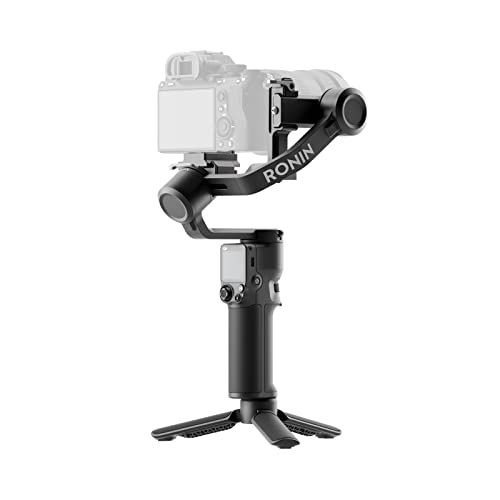
The DJI RS 3 Mini is designed for travel shooters who need serious stabilization without adding bulk. Weighing just 795g (1.75 lbs), it pairs with a broad range of cameras and lenses up to 2 kg (4.4 lbs). Its lightweight form encourages longer handheld shoots, while high-torque motors maintain smooth footage even with longer focal lengths. The RS 3 Mini supports native vertical shooting, which is ideal for social media formats, and Bluetooth shutter control simplifies hands-free operation. This combination makes it a strong all-around choice for enthusiasts and semi-professionals seeking dependable stabilization on the move.
Xtra Muse — 3-Axis Gimbal for Vlogging
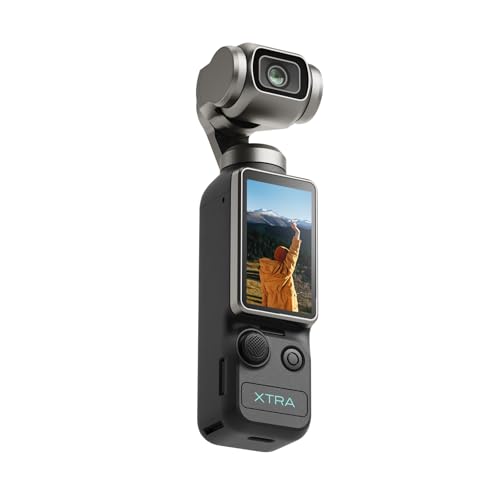
The Xtra Muse combines a compact three-axis gimbal with a 1″ CMOS sensor capable of 4K at 120fps, delivering cinema-quality motion for fast-paced vlogs. Its stabilization system minimizes shake during dancing, running, or hiking. A 2″ touchscreen enables quick framing and seamless switching between horizontal and vertical modes. For creators prioritizing strong stabilization in a compact form, the Muse provides impressive video smoothness without requiring a larger rig.
DJI Osmo Mobile SE — Phone Gimbal with Tracking

The Osmo Mobile SE is a versatile phone gimbal that combines portability with smart features. Its ActiveTrack 6.0 keeps moving subjects in frame, whether you’re filming kids, pets, or yourself. The gimbal also offers a convenient remote control via an Apple Watch using the DJI Mimo app, enabling angle adjustments and capture controls from your wrist. Its foldable design makes it a reliable companion for vlogging, travel, and spontaneous shoots using a smartphone.
DJI Osmo Pocket 3 — Compact 3-Axis Stabilization

The Osmo Pocket 3 blends a 1″ CMOS sensor with 4K/120fps capture in a pocket-sized package. Its 2″ touch screen rotates for both horizontal and vertical shooting, simplifying framing for blogs and social media. The three-axis stabilization ensures stable footage even while dancing, chasing pets, or vlogging in dynamic environments. This model is ideal for solo creators who want professional stabilization without carrying bulky gear.
DJI Osmo Pocket 3 Creator Combo

Creator Combo expands the Osmo Pocket 3 experience with an included microphone and accessories, making it a complete on-the-go filming kit. The core camera retains a 1″ sensor with 4K/120fps capture and 3-axis stabilization for smooth motion. The additional mic improves audio quality in everyday scenes, interviews, and run-and-gun shoots. This package suits creators who want a ready-to-film mobile setup without buying separate components.
Buying Guide: Key Purchase Considerations
When selecting a 3-axis gimbal camera system, consider stability performance, payload, and overall workflow. First, assess payload capacity to ensure your camera and lens combination is supported without compromising stabilization. Second, evaluate motor torque and responsiveness, which affect how well the gimbal counteracts vibrations from walking, running, or wind. Third, review portability and weight, especially for travelers or vloggers who shoot handheld for long periods.
- Compatibility and ecosystem: Some gimbals pair with multiple camera types, while others are phone-first. Decide whether you need a dedicated camera gimbal or a smartphone solution.
- Tracking and subject detection: Advanced tracking (e.g., ActiveTrack) helps maintain focus on moving subjects, reducing post-production work.
- Battery life and charging options: Longer shoots require efficient power management and convenient charging methods, such as USB-C or quick-swap batteries.
- Portability vs. control: Ultra-compact models offer travel ease but may have limited physical controls compared to larger rigs. Consider your preferred workflow and accessibility of controls.
- Accessories and add-ons: Mic kits, extra batteries, and tripod bases can significantly extend shooting versatility, especially for creators who shoot on location.
From a multi-perspective view, a compact gimbal like the RS 3 Mini favors travelers and vloggers who need steady footage without bulk, while models like the Osmo Pocket 3 or Creator Combo appeal to solo creators seeking a self-contained filming system. For smartphone shooters, Osmo Mobile SE integrates well with phone-based workflows and accessories. In all cases, prioritize stabilization performance, ease of use, and how well the setup fits your typical shooting environment.