For photographers seeking reach and sharpness, a 200mm-class zoom lens offers a versatile balance of reach and portability. This guide reviews five standout lenses across Canon, Sony, and Nikon that cover mid-telephoto to super-telephoto ranges, with fast apertures, image stabilization, and strong autofocus. Whether you shoot wildlife, sports, or events, these lenses provide reliable performance in a variety of lighting conditions. The table below highlights key specs to help you compare quickly.
| Product | Focal Range | Maximum Aperture | Stabilization |
|---|---|---|---|
| Canon RF 70-200mm F2.8 L IS USM | 70-200mm | f/2.8 | Up to 5 stops |
| Sony FE 200-600mm F5.6-6.3 G OSS | 200-600mm | f/5.6-6.3 | OSS |
| Sony FE 70-200mm F2.8 GM OSS II | 70-200mm | f/2.8 | OSS |
| Nikon NIKKOR Z 70-200mm f/2.8 S | 70-200mm | f/2.8 | N/A |
| Canon RF 200-800mm F6.3-9 IS USM | 200-800mm | f/6.3-9 | IS |
Canon RF 70-200mm F2.8 L IS USM Review

The Canon RF 70-200mm F2.8 L IS USM is a professional telephoto zoom designed for Canon’s EOS R series. The bright f/2.8 maximum aperture provides superior subject isolation and fast shutter speeds in challenging lighting. Its RF L series optics deliver high image quality with sharp edge-to-edge performance across the zoom range. With up to 5 stops of optical image stabilization, this lens helps maintain sharpness in handheld shooting and when shooting at slower shutter speeds. The build combines weather sealing with a compact, lightweight feel for a lens of its class, making it suitable for field use and travel.
Autofocus is rapid and reliable thanks to Canon’s USM and the lens’s internal focusing design. The combination of fast performance and strong stabilization makes this lens a strong option for sports, wildlife, and events. While heavier than some consumer zooms, its image quality justifies the extra weight for many professionals. The lens is compatible with Canon’s RF teleconverters and accessories, offering flexibility for expanding reach when needed.
Sony FE 200-600mm F5.6-6.3 G OSS Review
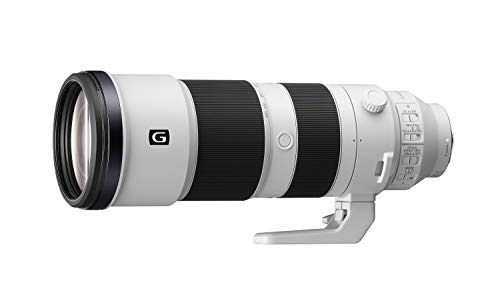
The Sony FE 200-600mm F5.6-6.3 G OSS covers an impressive reach for wildlife and sports, delivering versatility from telephoto to super-telephoto. The lens uses high-end glass elements, including extra-low dispersion (ED) glass, to minimize chromatic aberration and preserve color fidelity. Its optical image stabilization (OSS) helps steady handheld shots at long focal lengths, while the Direct Drive SSM autofocus system provides fast, quiet, and precise focusing. The design emphasizes a balance between reach and portability, making it a practical choice for fieldwork where distance and stealth matter.
Chromatic aberration control and reduced flare are aided by advanced coatings and optical design, contributing to clear, high-contrast images even against challenging backgrounds. The lens remains relatively maneuverable for a long-reaching zoom, though it is best used with a sturdy support system or monopod for extended sessions. This lens excels in bird photography, sports, and nature shoots where subjects may stay distant for extended periods.
Sony FE 70-200mm F2.8 GM OSS II Review
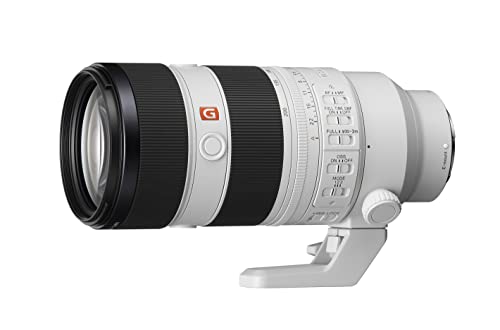
The Sony FE 70-200mm F2.8 GM OSS II is a flagship telephoto zoom designed for Sony’s full-frame Alpha cameras. It delivers exceptionally high resolution across the zoom range, aided by multiple specialized elements, including XA (extreme aspherical) and multiple ED glass elements, which minimize chromatic aberration. Nano AR Coating II reduces flare and ghosting to preserve contrast in challenging light. Autofocus is fast and accurate thanks to four XD Linear Motors, enhancing subject tracking during stills and video. The lens also supports teleconverters for extended reach when needed, though with tradeoffs in light gathering and autofocusing speed at the long end.
In addition to image quality, build quality and handling stand out. Independent control rings for focus, zoom, and iris improve manual control during shoots where precise adjustments matter. The lens is well-suited for sports, wildlife, and professional video work where both speed and depth of field control are critical. Its robust construction and weather sealing help ensure reliability in outdoor environments.
Nikon NIKKOR Z 70-200mm F/2.8 S Review

The Nikon NIKKOR Z 70-200mm f/2.8 S is a professional telephoto zoom tailored for Z-series mirrorless bodies. It offers outstanding optical performance across the zoom range, with a fast f/2.8 aperture suitable for low-light scenarios and subject separation. The lens emphasizes versatility through lightweight handling and a compact form factor for a 70-200mm zoom. The camera-friendly feature set includes customizable function buttons and a control ring that allows quick adjustments in the field, making it ideal for news, sports, and wildlife photography where rapid responses matter.
At 70mm, you can focus as close as 0.5 meters, providing creative options for close-up portraits and environmental shots while maintaining reach. The lens supports standard 77mm filters and integrates seamlessly with Nikon’s Z teleconverters and accessories for extended reach. Its imaging performance makes it a dependable choice for professionals invested in Nikon’s Z ecosystem.
Canon RF 200-800mm F6.3-9 IS USM Review

The Canon RF 200-800mm F6.3-9 IS USM is a groundbreaking super-telephoto zoom designed to cover wildlife and distant subjects with a broad 200-800mm range. Its lightweight and compact design helps with mobility during long wildlife shoots or event coverage. The lens supports Extender RF1.4x and RF2x, enabling expanded reach when needed without swapping lenses, though this reduces light transmission at the long end. The integrated image stabilization provides steadier handheld shooting in challenging light, while the USM focusing system maintains rapid autofocus for action and wildlife subjects.
At 800mm, the lens unlocks remarkable reach for distant subjects, and the flexible zoom range makes it a compelling choice for travelers and nature photographers who need versatility without carrying multiple lenses. The combination of reach, stabilization, and compatibility with extenders makes this Canon option noteworthy for professionals who specialize in wildlife, birding, and outdoor sports where distance is a constant factor.
Buying Guide
- Purpose and subject matter: Choose a focal range that matches your typical subjects. 70-200mm lenses are versatile for portraits, events, and sports, while 200-600mm and 200-800mm options are better for wildlife and distant action.
- Aperture and light conditions: Faster apertures (f/2.8) deliver better low-light performance and subject separation but often add weight and cost. Slower super-telephotos like f/6.3-9 offer extreme reach with stabilization to compensate for reduced light.
- Optical stabilization: Lenses with robust IS/OSS systems help when shooting handheld at long distances or with slower shutters. Calibration and performance vary by model and shooting scenario.
- Autofocus performance: Labeled “GM,” “USM,” “SSM,” or similar designations denote advanced autofocus systems. Consider motors that prioritize speed and tracking for moving subjects, especially in sports or wildlife.
- Weight and ergonomics: Telephoto zooms can be heavy. Evaluate handling, balance with your camera body, and whether you’ll use a monopod, tripod, or gimbal for extended sessions.
- Weather sealing and durability: For outdoor use, weather sealing and rugged build improve reliability in adverse conditions. Confirm compatibility with your typical shooting environment.
- Teleconverters and accessory support: Some lenses support extenders (like 1.4x or 2x) to extend reach. Expect potential tradeoffs in autofocus speed and maximum aperture when using extenders.
- Budget and value: High-end telephotos deliver top-tier sharpness and autofocus but come at a premium. Evaluate whether the incremental gains align with your real-world needs and working style.
- System compatibility: Ensure the chosen lens works seamlessly with your camera brand’s ecosystem, including maintenance, service, and future-proofing for newer bodies.
- Usage scenarios: If you shoot wildlife from a distance, prioritize reach, stabilization, and dispersion control. For events or portraits, prioritize faster apertures and optical performance across the zoom range.