Best 16-35mm Lenses for Full-Frame Cameras
Excellent wide perspectives define landscapes, architecture, and creative street photography. This guide highlights five top 16-35mm zooms for Canon EF and Sony E full-frame systems, focusing on sharpness, autofocus, handling, and value. Whether you shoot stills or video, the following lenses represent class-leading options across brands, including the latest GM II Sony model, the classic Canon L-series designs, and a versatile Sony power-zoom for motion work. Use the summary table below to compare specs at a glance.
| Product | Brand | Mount | Aperture | Notes |
|---|---|---|---|---|
| Sony FE 16-35mm F2.8 GM II | Sony | E-mount | F/2.8 | Newest GM II, compact and sharp |
| Sony FE 16-35mm F2.8 GM Wide-Angle Zoom | Sony | E-mount | F/2.8 | Classic GM sharpness and versatility |
| Canon EF 16-35mm F/2.8L II USM | Canon | Canon EF | F/2.8 | Pro-grade build, strong performance |
| Canon EF 16-35mm F/2.8L III USM | Canon | Canon EF | F/2.8 | New optical design, improved flare control |
| Sony FE PZ 16-35mm F4 G | Sony | E-mount | F/4 | Power zoom; video-friendly |
Sony FE 16-35mm F2.8 GM II
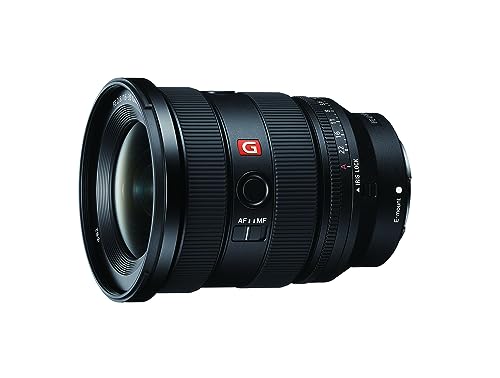
The Sony FE 16-35mm F2.8 GM II stands out as a landmark in Sony’s full-frame line. Marketed as the world’s smallest, lightest F2.8 wide-angle zoom, it balances portability with professional performance. Expect G Master image quality from edge to edge, with excellent contrast, sharpness, and controlled distortion across the zoom range. The lens offers fast, reliable autofocus and a robust build suited for landscapes, architecture, and travel photography. Built to withstand demanding conditions, it remains a top choice for photographers who prioritize portability without sacrificing edge-to-edge performance.
Whether you shoot stills or video, the GM II delivers consistent exposure and pleasing bokeh when you open to F2.8. Its compact size makes it practical for extended shoots, and the premium construction aligns with Sony’s G Master standards. While priced at a premium, the combination of wide field of view, edge-to-edge detail, and dependable AF makes it compelling for those who demand high performance in a lighter package.
Sony FE 16-35mm F2.8 GM Wide-Angle Zoom Lens

This original Sony FE 16-35mm F2.8 GM emphasizes resolving power and contrast. It is designed to achieve about 50 line pairs per millimeter of resolving power, delivering razor-sharp detail across the frame. The design uses two XA (extreme aspherical) elements to minimize aberrations, especially at the wide end, and the minimum focus distance of 0.28 m with a maximum magnification of 0.19x enables approachable close-ups without losing the wide perspective. The constant F2.8 max aperture maintains consistent exposure and depth of field, while the 11-blade circular aperture helps produce a pleasing background blur when desired.
With a well-balanced profile, this lens remains versatile for both still photography and video work. The optical design helps control flare, and the lens hood is practical for outdoor shoots. Photographers who favor a traditional, high-performance wide zoom will appreciate the overall balance of sharpness, build quality, and handling in this model.
Canon EF 16-35mm F/2.8L II USM Zoom Lens for Canon EF Cameras

Canon’s EF 16-35mm f/2.8L II USM has long been a staple for Canon shooters. It maintains a constant F2.8 aperture across the zoom range, supporting strong low-light performance and depth of field control. The optical design includes three high-precision aspherical elements to minimize distortion and improve corner sharpness, making it a solid choice for landscapes and architecture. Its minimum focusing distance of 0.92 feet and circular aperture help deliver natural background blur. Ring-type USM provides fast, quiet autofocus, while internal focusing helps with balance on a tripod or handheld setups.
This DSLR-focused lens remains a reliable option for those using Canon EF bodies or working with a robust adapter on newer systems. It delivers proven performance and build quality that professionals have trusted for years, particularly in landscapes and architectural work where consistency matters.
Canon EF 16-35mm f/2.8L II USM Zoom Lens for Canon EF Cameras (Renewed)

This renewed Canon EF 16-35mm f/2.8L II USM offers manufacturer-refurbished reliability with warranty coverage. It delivers consistently superb resolution from corner to corner across zoom settings and focus distances. The lens is designed to minimize flare and ghosting, helping maintain contrast in bright landscapes and coastal scenes. Its constant F2.8 aperture supports low-light performance and subject isolation, while the USM-driven autofocus remains fast and quiet. For photographers who want proven performance at a more affordable, refurbished option, this lens remains a strong choice.
Note that this option is a refreshed version of a classic design and may display wear consistent with refurbishment. When used with Canon EF bodies or adapters on newer cameras, it provides dependable sharpness and reliable performance for travel and professional assignments alike.
Sony FE PZ 16-35mm F4 G Wide-Angle Power Zoom
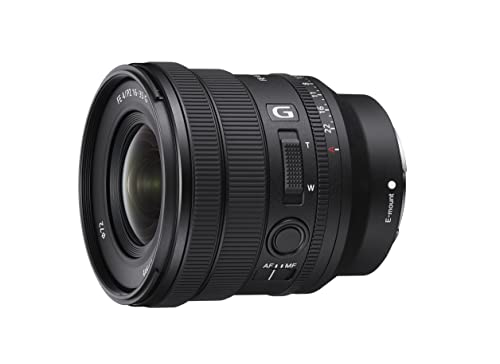
Sony’s FE PZ 16-35mm F4 G is designed for video and on-the-move shooting. It is ultralight and compact, marketed as the world’s lightest full-frame F4 wide-angle power-zoom lens. A new power zoom system driven by four XD (Extreme Dynamic) Linear Motors offers smooth, responsive zoom with quiet autofocus performance, plus a continuously variable zoom lever for precise, slow zooms. The lens is optimized for video with reduced focus shifts during zoom, helping maintain stable framing on gimbals or handheld rigs. It preserves Sony’s G-lens image quality in a lighter package.
While the fixed F4 aperture limits shallow depth of field compared with faster options, this lens excels for documentary work, travel, and run-and-gun production. The compact form factor and quiet operation reduce fatigue during long shoots, making it a compelling choice for video-centric workflows and compact kits.
Buying Guide
Choosing a 16-35mm lens involves balancing system, imaging goals, and practical needs. Below are key considerations to help you pick the right option for your workflow.
Mount And System Compatibility
- Canon EF lenses require an adapter to use on Canon mirrorless bodies or to pair with DSLR ecosystems; native Canon EF support remains strong for DSLR workflows.
- Sony E-mount lenses are designed for mirrorless bodies, offering compact design and modern autofocus; consider whether you shoot on a Sony mirrorless body or via adapters for non-Sony systems.
Optical Performance Across Zoom Range
- Luminosity: F2.8 constancy provides strong low-light performance and predictable depth of field, especially important for landscapes and architecture.
- Edge-to-edge sharpness, distortion control, and flare resistance vary by model; newer GM II designs typically offer improved resolution and contrast across the frame.
- For videographers, uniform sharpness and flare control are critical; some lenses include coatings to minimize ghosting in bright environments.
Aperture, Depth Of Field, And Low-Light Capability
- F/2.8 models deliver shallower depth of field and better performance in low light, but come with heavier optics; F/4 options trade brightness for lighter weight and compactness.
- Decide between constant aperture (F/2.8) and lighter, more versatile options (F/4) based on your subject matter and shooting style.
Weight, Size, And Handling
- Travel and landscape shooters benefit from lighter, compact lenses; consider total kit weight when pairing with camera bodies and supports (tripods, gimbals, etc.).
- Power-zoom lenses offer smooth, camera-controlled zooms ideal for video, but can add bulk and cost for still photographers.
Autofocus Performance And Video Capabilities
- Look for fast, quiet autofocus for both stills and video; some lenses emphasize film-friendly behavior with minimal breathing and smooth focus transitions.
- For video work, consider lenses with reliable zoom behavior, minimal focus shift during zoom, and compatibility with gimbals or cranes.
Budget, Value, And Longevity
- High-end models deliver peak performance but at premium prices. Older designs or renewals can balance cost against expected longevity.
- Consider the ecosystem you already own (other lenses, bodies, and accessories) to maximize value and resale potential.