Best 120 Film at ISO 800: Color, Low-Light, and Grain
Photographers who shoot with 120 format love ISO 800 film for its balance of speed and grain, especially in low-light settings. This guide highlights five 120 films rated at ISO 800 or close, including tungsten-balanced color stock and strong natural tones, to help you pick a versatile option for street, portrait, and travel work. Below you’ll find quick-reference product details, followed by in-depth sections and a buying guide that contrasts color, grain, and handling in different lighting.
| Product | Brand | Format | Key Feature |
|---|---|---|---|
| CineStill 800T Tungsten High Speed Color Film | CineStill | 120 | Color-balanced tungsten with halation |
| Kodak Portra 800 Color Negative Film | KODAK | 120 | Fine grain, natural skin tones |
| Lomography Color Negative Film 800 | Lomography | 120 | Vivid colors, versatile indoor/outdoor |
| Kodak Portra 400 Color Negative Film | KODAK | 120 | Excellent scanning grain, sharpness |
| Ilford Delta 3200 Professional | Ilford | 120 | Ultra high-speed B&W for low light |
CineStill 800Tungsten High Speed Color Film

CineStill 800T is a tungsten-balanced color negative film designed for low-light situations where tungsten lighting dominates, such as indoor events or stage performances. This 120 format stock is factory spooled with self-adhesive labels for easy processing and handling. It performs without Remjet backing, which can influence edge halation and color rendition, resulting in a subtle glow that many shooters find appealing in portraits and urban scenes. The color balance favors warm light, producing rich skin tones and complementary shadows in dim environments.
Kodak Portra 800 Color Negative Film
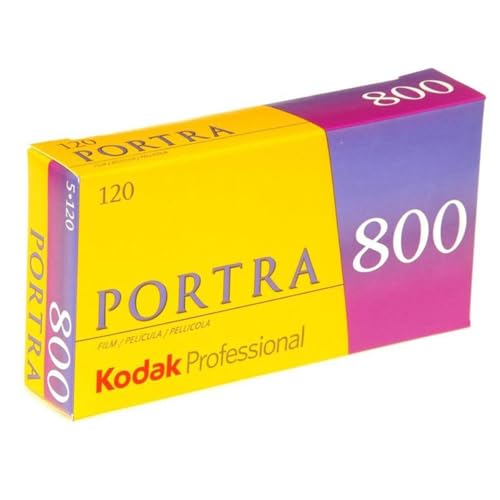
Kodak Portra 800 is a high-speed color negative film celebrated for its fine grain and natural color reproduction. It excels in low-light scenarios and long-lens compositions, making it a reliable choice for portraits and street photography. Its tonal range supports smooth skin tones and nuanced backgrounds, with perceptible but controlled grain that remains pleasant at larger prints. Push-processing to 1600 is possible for extra speed if needed, though this may increase grain and contrast.
Lomography Color Negative Film 800

Lomography’s 120 format ISO 800 color negative film offers bold color and crisp detail across indoor and outdoor conditions. This stock is known for its versatility and broad dynamic range, making it suitable for fast-moving subjects and street photography where lighting varies. The film’s native grain structure balances sharpness with a pleasing texture, delivering punchy colors without overwhelming noise in most lighting situations.
Kodak 120 Portra 400 Film
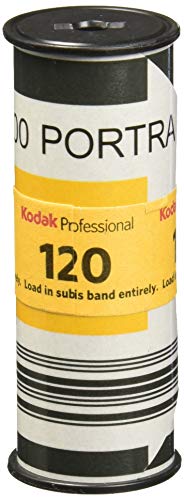
Kodak Portra 400 serves as a versatile mid-speed option with exceptional color fidelity and skin tones. While it’s rated at ISO 400, it remains a staple in 120 format for its classic look and broad compatibility with natural light. It supports large-format scans with fine detail and strong color reproduction, making it a frequent choice for wedding, fashion, and documentary work in mixed lighting.
Ilford Delta 3200 Professional
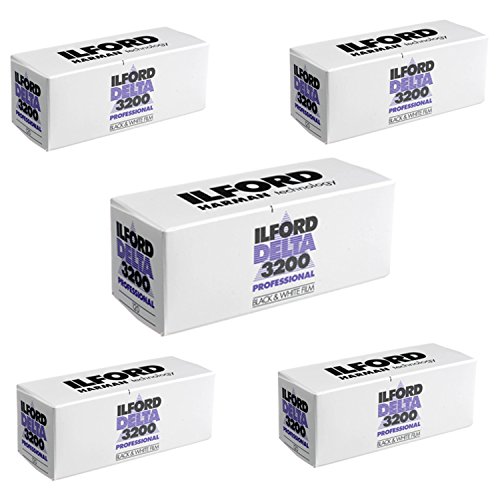
Ilford Delta 3200 is a high-speed black-and-white film designed for very low-light settings and fast action. Its grain structure is pronounced, which can contribute to a distinctive, gritty aesthetic. Although not color, it remains a strong option for street photography and nighttime work where color is less of a priority. It benefits from push processing and careful development to maximize tonal range and sharpness in the shadows and highlights.
Buying Guide: Key Purchase Considerations for ISO 800 120 Films
- Color vs. Black-and-White: Decide whether you want color stock to capture true-to-life tones or black-and-white for a dramatic, grain-forward look in low light.
- Color Balance: Tungsten-balanced stock like CineStill 800T yields warm skin tones under artificial lighting but may shift colors in daylight. Consider your typical shooting environment.
- Grain Structure: ISO 800 films introduce visible grain, which can add texture or noise depending on processing and scanning. Higher-quality scans can preserve detail while managing grain.
- Remjet Backing: Some stocks feature Remjet backing that affects halation and processing. If halation or cross-processing is part of your aesthetic, choose accordingly.
- Processing and Handling: Factory spools, labeling, and packaging influence convenience and consistency. Look for stocks designed for standard C-41 processing or for more specialized workflows.
- Compatibility: Ensure the film matches your camera format and frame spacing. Medium format 120 films vary in number of exposures based on frame size.
- Dynamic Range: Portra lines emphasize skin tones and color fidelity, while Lomography and CineStill offer more creative latitude in shadows and highlight handling.
- Prix and Availability: Stock availability and price can vary; plan for backups if a favorite stock is out of stock.
- Processing Labs: Confirm your preferred lab’s ability to handle 120 films with these stocks, including any push-processing options you might want.
- Personal Style: Consider your typical subjects—portraits, street, landscapes—and how the film’s tonal range and contrast align with your style.