Best 120 Color Film Options for Rich Color and Fine Grain
Discover top 120 color film stocks that deliver fine grain, natural skin tones, and strong color reproduction. This guide highlights versatile options for portraiture, landscape, and everyday photography, with direct links to Amazon for quick reference. Each choice emphasizes accuracy, sharpness, and reliability across scanning and enlargements.
| Product | Brand | Film Type | ISO |
|---|---|---|---|
| Kodak 120 Portra 400 Film | KODAK | Color Negative | 400 |
| KODAK Portra 400 Professional ISO 400, 120 propack | KODAK | Color Negative | 400 |
| Kodak 120 Portra 160 Film | KODAK | Color Negative | 160 |
| Lomography Color Negative 120 Film, ISO 100 | Lomography | Color Negative | 100 |
| Lomography Redscale XR 120 Film, ISO 50-200 | Lomography | Color Negative (Redscale) | 50-200 |
Note: All five selections are compatible with standard 120-format film cameras and provide a spectrum of texture and color that suits both studio and field shooting. The table above lists broad specs; individual stock details vary by stock batch and scanning workflow. Use these options as a starting point to pair with your camera system and post-processing workflow.
Kodak 120 Portra 400 Film
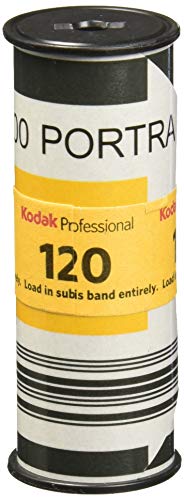
KODAK 120 Portra 400 Film is designed for high-speed color negative results with exceptionally fine grain. This stock is optimized for scanning and large enlargements, delivering natural skin tones and accurate color reproduction. It emphasizes sharp edges and clear detail, suitable for portraits and vibrant scenes alike.
KODAK Portra 400 Professional ISO 400, 120 propack

This Kodak Portra 400 Professional propack offers a balanced color palette with exceptional tonal range. The stock emphasizes natural skin tones and faithful color reproduction, with optimized sharpness and distinct edges that help retain detail in varied lighting. It’s well-suited for wedding, portrait, and travel photography that benefits from reliable skin tones.
Kodak 120 Portra 160 Film

Kodak Portra 160 offers a slightly cooler, lower-contrast look with fine grain and smooth tonal transitions. The 160 ISO stock is ideal for controlled lighting and daylight shooting, providing natural skin tones and rich, balanced colors. It’s a versatile choice for weekend shoots and studio setups where exposure control is strong.
Lomography Color Negative 120 Film, ISO 100
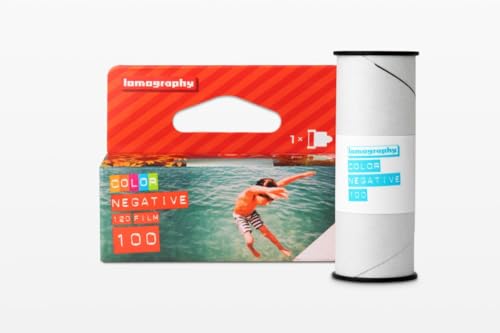
Lomography’s Color Negative 120 Film in ISO 100 is designed for bright daylight and high-detail shooting. It features extra-fine grain and sharp rendering, with vibrant, true-to-life colors and natural skin tones. The stock balances rich color with subtle contrast, making it suitable for landscapes and candid portraiture in sunny conditions.
Lomography Redscale XR 120 Film, ISO 50-200

Lomography Redscale XR 120 Film offers a flexible ISO range of 50-200, enabling varied tones and grain control within a single roll. The redscale process yields bold color shifts—ruby reds, blazing oranges, and yellows—with potential blue undertones at lower ISO settings. The medium format stock provides strong resolution and depth across 10-16 exposures, delivering a distinct, retro color aesthetic.
Buying Guide
- Film format and camera compatibility: All selected stocks are designed for 120 format cameras. Ensure your camera supports Portra or Lomography emulsions and match the ISO to lighting conditions.
- ISO and tonal range: Higher ISO stocks (like Portra 400) offer versatility in indoor or mixed lighting, while ISO 100 stock excels in bright daylight with fine grain. Redscale variants introduce strong color shifts and unique mood.
- Color accuracy and skin tones: Portra lines are noted for natural skin tones and faithful color reproduction, suitable for portraits. Lomography options vary by stock; expect more experimental color in redscale and vibrant direct color.
- Grain and sharpness: Fine grain is favored for large enlargements and scanning. Consider your preferred workflow: scanning at high resolutions or traditional darkroom enlargements.
- Processing compatibility: All listed stocks are compatible with standard C41 processing; verify local lab capabilities for color negative films and any special redscale handling if choosing that stock.
- Exposure and scanning workflow: For scanning, test frames at a few exposures to gauge dynamic range. Fine-detail scenes benefit from stocks with high sharpness and controlled contrast.
- Budget and availability: Stock availability can fluctuate; Portra 400 and 160 are common but can be pricier. Lomography options may offer more accessible price points or alternative color effects.