Best 100-400mm Lenses for Wildlife and Sports
Telephoto zooms in the 100-400mm range offer a versatile balance of reach, speed, and portability for wildlife, sports, and travel. This guide highlights five top options across Canon, Nikon, Sony, and Tamron, focusing on optical quality, stabilization, autofocus performance, and handling in real-world scenarios. Whether you’re tracking fast-moving birds or distant players, the right 100-400mm lens can unlock critical moments with clarity and ease.
| Product | Brand | Focal Range | Max Aperture | Stabilization | Mount |
|---|---|---|---|---|---|
| Canon EF 100-400mm f/4.5-5.6L IS USM | Canon | 100-400mm | f/4.5-5.6 | 2-Mode IS | Canon EF |
| Canon EF 100-400mm f/4.5-5.6L II USM | Canon | 100-400mm | f/4.5-5.6 | IS | Canon EF |
| Nikon NIKKOR Z 100-400mm VR S | Nikon | 100-400mm | f/4.5-5.6 | VR up to 5.5 stops | Nikon Z |
| Sony FE 100-400mm GM OSS | Sony | 100-400mm | f/4.5-5.6 | OSS | Sony E-mount |
| Tamron 100-400mm Di VC USD Nikon | Tamron | 100-400mm | f/4.5-6.3 | VC up to 4 stops | Nikon F |
Canon EF 100-400mm L IS USM

The Canon EF 100-400mm f/4.5-5.6L IS USM is a classic L-series telephoto zoom designed for Canon EOS DSLRs. It covers a broad 100-400mm range with a practical maximum aperture that remains workable in the field. The lens incorporates two Image Stabilizer modes, helping photographers keep subjects sharp while panning or shooting in lower light. Canon’s Flourite and Super UD glass elements help suppress chromatic aberration and color fringing, preserving high contrast across the frame. Build quality is rugged, with weather sealing that suits outdoor use in variable conditions.
- 100-400mm telephoto zoom with f/4.5 maximum aperture
- Two Image Stabilizer modes for flexible handheld shooting
- Fluorite and Super UD-glass elements minimize chromatic aberration
Ideal for wildlife, birds in flight, and distant sports moments where reach and reliability matter, particularly on full-frame Canon bodies.
Canon EF 100-400mm II USM
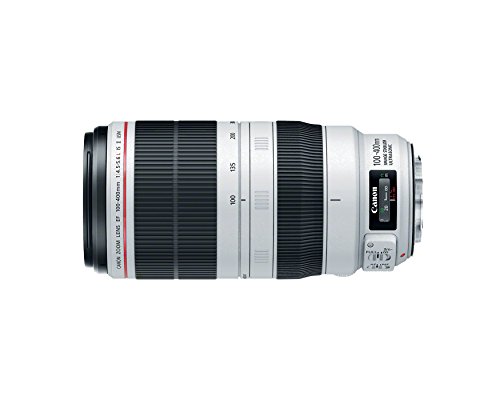
Canon’s EF 100-400mm f/4.5-5.6L II USM offers a refreshed design with optimized balance and handling for demanding outdoor work. It remains a versatile option for sports and wildlife, with a compact footprint relative to the original. The focusing system benefits from improved zoom torque for smoother, more stable handholding, while a rounded 9-blade diaphragm contributes to pleasing background blur. The focal range remains 100-400mm with maximum apertures of f/4.5-5.6, and the closest focusing distance is around 3.2 feet (0.98 m), expanding your close-up possibilities without sacrificing reach.
- Compact, high-performance L-series zoom
- Rotation-type zoom ring for precise framing
- Focal Length & Maximum Aperture: 100-400mm f/4.5-5.6
- Closest focus distance: 3.2 feet (0.98 m)
Suitable for enthusiasts and pros who want a refined feel, dependable autofocus, and strong image quality in a lighter, more balanced package.
Nikon Z 100-400mm VR S

Nikon’s Z 100-400mm VR S is a native telephoto option for Z-series mirrorless bodies, engineered to maximize the capabilities of the system. It provides strong stabilization—up to 5.5 stops on full-frame Z cameras and robust performance on DX-format bodies—making long, handheld shoots feasible in daylight and bright overcast conditions. The autofocus system uses twin high-speed STM motors, delivering quiet and rapid focusing with minimal focus breathing. The lens is compatible with teleconverters, expanding reach when needed, and features weather sealing for field work.
- Compatible with FX and DX formats on Nikon Z
- Up to 5.5 stops VR on full-frame Z bodies
- 5-axis stabilization on certain cameras
- Two fast STM motors for near-silent AF
Ideal for wildlife, birds, and sports on Nikon Z bodies, with precise focus and solid stabilization across the zoom range.
Sony FE 100-400mm GM OSS
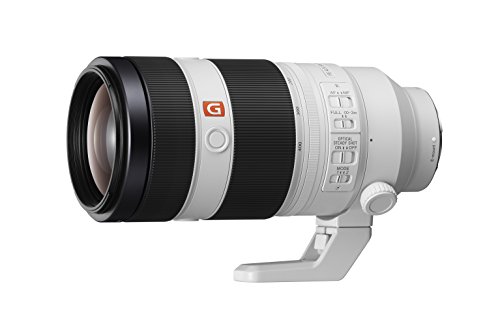
Sony’s 100-400mm GM OSS embodies the G Master standard for sharpness and smooth bokeh across the full frame. The lens pair combines Double-linear and Direct Drive SSM AF motors for fast, quiet focusing and reliable subject tracking—crucial for birds and fast-moving action. Optical SteadyShot stabilization helps minimize blur, while the lens offers a practical minimum focus distance for closer subjects at the wide end. The white body is balanced for long sessions with Sony’s larger Alpha bodies, delivering consistent performance in the field.
- G Master design for exceptional sharpness and bokeh
- OSS stabilization for steady handheld shots
- Minimum focusing distance about 0.98 m
- Direct Drive SSM and Double-linear SSM AF motors
A premium choice for Sony shooters who demand top-tier optics, reliable autofocus, and smooth background rendering from 100mm to 400mm.
Tamron 100-400mm Di VC USD Nikon

The Tamron 100-400mm Di VC USD is a versatile option for Nikon F-mount shooters seeking good reach with a budget-conscious mindset. The USD motor provides fast, precise focusing, while VC stabilization adds up to four stops of compensation, enabling sharper handheld shots at longer focal lengths. It features a minimum focusing distance around 1.5 meters and a fluorine-coated front element for outdoor resilience. The lens is designed with moisture-resistant construction, helping it stand up to fieldwork and unpredictable weather conditions while maintaining a comfortable balance of weight and reach.
- USD motor for fast autofocus
- VC stabilization up to 4 stops
- Moisture-resistant construction
- Fluorine-coated front element
This Tamron option provides practical performance for wildlife and sports on a mid-budget, with robust stabilization and a capable zoom range.
Buying Guide
Camera System Compatibility
Choose a lens that matches your camera’s mount and future plans. Canon EF or RF, Nikon Z or F, Sony E, and Tamron’s Nikon F variants each offer different levels of native performance. Native lenses generally deliver the best autofocus speed and stabilization integration. If you rely on adapters to use a non-native lens, be prepared for potential compromises in AF performance or balance, especially in fast action scenarios.
Focal Range And Intended Use
100-400mm has broad utility, but your primary use matters. Wildlife and birds benefit from the long end for reach, while sports shooters may prefer faster AF and robust IS. Consider whether you shoot mostly distant subjects or also need close focusing capabilities at 100mm. If you anticipate future needs, a versatile option from a trusted brand with good resale value can be worthwhile.
Image Stabilization And Autofocus
Stabilization performance varies by model and system. Some lenses offer 2-mode IS, others provide up to 5.5 stops of VR, while Sony’s OSS and Tamron’s VC give different stabilization bandwidths. In fast-paced settings, autofocus speed and tracking accuracy are equally critical. Look for lenses with dedicated motors and stable algorithms suited to your camera body and subject type.
Build, Weather Sealing, And Handling
Field use benefits from weather sealing, durable construction, and a comfortable grip. Weight distribution matters for long days of shooting; a lighter lens may reduce fatigue but could trade a bit of ruggedness. Consider the total system balance—compatibility with teleconverters, tripod collars, and shoulder bags—all contributing to practical on-camera performance.
Budget, Value, And Longevity
Premium lenses like Canon L-series or Sony GM typically cost more but offer top-tier sharpness, autofocus, and build. Third-party options often provide excellent value with strong stabilization and good autofocus, especially for hobbyists or intermediate shooters. Evaluate not just the sticker price but total cost of ownership, including maintenance, resale value, and how long you expect to use the lens before upgrading.