Best 1.33x Anamorphic Lens for Smartphones in 2026
Looking for a 1.33x anamorphic lens to give your smartphone footage a cinematic, widescreen look? These lenses optimize horizontal flare, unique bokeh, and a 2.35:1 aspect that mirrors classic cinema. They’re best for creative videographers, hobbyists upgrading to a filmic aesthetic, and professionals testing mobile workflows. This guide highlights five top options and explains who each is best for, plus practical tradeoffs to help you choose quickly.
Overview: the following picks emphasize 1.33x anamorphic squeeze, compatibility with common 17mm phone mounts or cages, and features that support desqueezing in post or via compatible apps. The table below summarizes core strengths to help you compare at a glance.
| Product | Best For | Key Benefit | Limitations |
|---|---|---|---|
| Freewell Neutral Streak 1.33x (17mm) | Creative night cityscapes | Natural light streaks, straightforward 17mm install | Desqueeze in software needed |
| Freewell 1.33x Gold (17mm) | Precision framing | Built-in level gauge for alignment | Requires mounting accuracy for best results |
| Freewell 1.33x 3-Color Flare | Flexible mood effects | Three flare colors in one lens | Flare color choices require setup for best impact |
| Leshareselect 1.33x (Film/Pro apps) | Full control with de-squeeze workflow | Requires Filmic Pro or Fotorgear for 1.33x de-squeeze | App dependency for output correction |
| SIRUI 40mm 1.33x (A6500/FX3) | Hybrid cine and photo shooters | Autofocus and dual flare options | Requires compatible camera mount and workflow |
Freewell Neutral Streak 1.33x Anamorphic Lens

Best for: Night cityscapes and general cinematic testing. The lens installs by twisting into a 17mm mount on a smartphone case or rig, providing a stable 1x main camera perspective with a genuine 1.33x squeeze for a wider frame. It supports desqueeze via third-party software such as Blackmagic Camera, helping you achieve professional-looking widescreen results.
Why selected: This option emphasizes a natural light streak aesthetic without color distortion, making it a reliable choice for creating cinematic road, street, and urban sequences where light sources like headlights become intentional accents.
Limitation: Requires post-production or a desqueeze workflow to access the final 2.35:1 look, so immediate on-device output may not show the full anamorphic effect.
Freewell 1.33x Gold Anamorphic Lens (17mm)

Best for: Precision framing and Hollywood-style setup. This lens adds a built-in level gauge for horizontal alignment, helping shooters achieve a steady, professional composition. It also supports an expanded field of view that can deliver a 2.35:1 cinematic look when paired with appropriate post processes.
Why selected: The level gauge makes setup faster and more repeatable, ideal for run-and-gun shoots where consistency matters for multiple takes or time-lapse sequences.
Limitation: Alignment accuracy hinges on mounting stability; minor movement during shooting can affect the leveled result.
Freewell 1.33x Anamorphic Lens (Three Flare Colors)
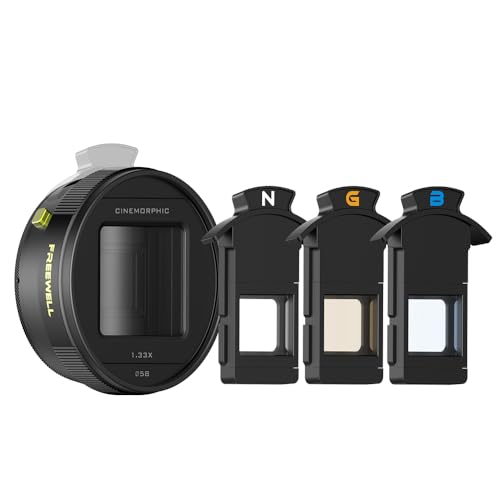
Best for: Filmmakers who want tonal flexibility. This lens combines three flare color modules—neutral, gold, and blue—allowing quick mood shifts without swapping gear. It supports oval bokeh and a 2.35:1 look when used with the right apps or editing workflow.
Why selected: The 3-flare option enables creative experimentation on set, making it easier to tailor the filmic aesthetic to scene mood, lighting conditions, or storytelling intent.
Limitation: Color flare behavior can vary with light intensity; for best results, test a few scenes to dial in the preferred color and intensity.
1.33X Anamorphic Lens Filmmaking for Phone

Best for: Enthusiasts seeking a configurable workflow with post-processing control. This lens supports 1.33x anamorphic output and emphasizes a Filmic Pro/Fotorgear-style de-squeeze workflow, which helps achieve authentic cinematic flares and widescreen framing.
Why selected: It highlights a practical de-squeeze instruction path, making it suitable for users who plan to handle the framing in post or with supported apps, ensuring a true 2.35:1 result.
Limitation: The user must manage de-squeeze in an app or editor, which can require extra steps or subscriptions for some apps.
SIRUI 40mm T1.8 1.33x Anamorphic Lens

Best for: Hybrid cine/photography workflows on Sony and similar mirrorless bodies. The lens provides cinematic widescreen output with two flare options (blue and neutral) and an accurate autofocus system to support moving subjects.
Why selected: The combination of autofocus support and dual flare options makes it a compelling option for dynamic shoots where focus accuracy and consistent flare are important.
Limitation: Requires a compatible camera system and an appropriate workflow to fully exploit the anamorphic effect and de-squeezing when needed.
SIRUI VD-01 Anamorphic Lens 1.33x for Smartphones
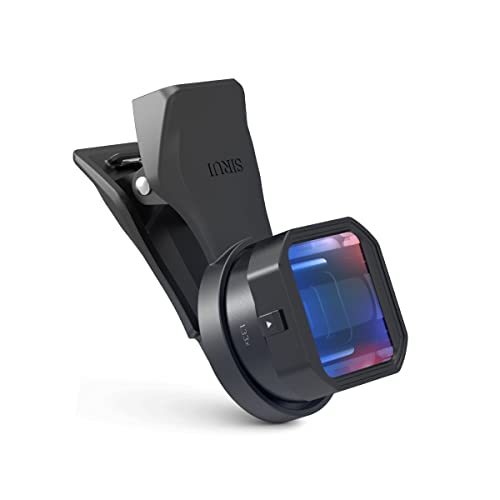
Best for: Smartphone cineastes seeking a German glass build with strong flare potential. The lens uses German Schott glass and multiple coatings to minimize reflections while delivering classic science-fiction light effects.
Why selected: A high-quality optical build makes it appealing for longer shooting sessions where image quality matters and you want cinematic light artifacts with controlled aberrations.
Limitation: Requires the SIRUI Lens app or compatible apps (Filmic Pro recommended) to manage de-squeeze and optimize image quality in post.
SIRUI 50mm F1.8 1.33x APS-C Anamorphic Lens

Best for: Sony E-mount users needing a 1.33x squeeze with broader framing. The lens promises a wider field of view equivalent to about 37.5 mm, enabling cinematic looks without excessive lens crawling or heavy equipment.
Why selected: This option pairs a compact form with a 1.33x squeeze and a wider field of view, making it versatile for both stills and video where cinematic framing is desired.
Limitation: It is designed for E-mount and APS-C formats, so users outside these ecosystems should verify compatibility before purchasing.
Buying Guide: Practical Considerations for 1.33x Anamorphic Lenses
Mount compatibility matters most. Look for a clear 17mm or T-mount option that fits your smartphone rig or cage. Some lenses include a built-in level gauge to speed setup and ensure consistent framing across takes.
Workflow and de-squeeze. A 1.33x anamorphic look requires de-squeezing in post or via apps. If you plan to edit in DaVinci Resolve, Filmic Pro, or Fotorgear, verify that your chosen lens supports de-squeeze or is compatible with your editing pipeline.
Flare and bokeh. Lenses offer different flare colors (neutral, gold, blue) or artistic oval bokeh. Decide whether you want flexible mood options on set or a single, consistent look across the project.
Autofocus vs. manual. Some lenses include autofocus support or improved subject tracking, which is helpful for run-and-gun shoots. If you mostly shoot static scenes, manual focus consistency may be sufficient.
Weight, balance, and mounting. Heavier lenses can affect rig balance. Check that your phone cage or rig can safely support the lens without obstructing cameras or causing movement during motion shots.
Desqueeze workflow. Consider whether you prefer a plug-and-play desqueeze in post (e.g., Blackmagic, Filmic Pro) or an on-lens workflow that integrates de-squeeze output directly for smoother editing. This choice guides the ideal app and editing setup.
FAQ
- What does 1.33x anamorphic mean? It refers to the horizontal squeeze applied to the image, producing a wider field of view that resembles cinema footage. Desqueezing reverses this effect in post or via apps.
- Do I need special apps to use these lenses? Some lenses require de-squeeze in apps like Filmic Pro or Fotorgear to achieve the correct 2.35:1 look. Others may work with standard post-processing workflows.
- Is a level gauge important? A built-in level gauge helps ensure precise horizontal alignment, improving consistency across takes and reducing setup time.
- Can these lenses work with any smartphone? Many are designed for 17mm mounts or common cages; compatibility varies by model. Check mount type and phone size before buying.
- What is oval bokeh? A characteristic anamorphic look where out-of-focus highlights become elongated or oval, contributing to a distinct cinematic aesthetic.
- Which lens is best for beginners? A lens with a built-in level gauge and straightforward installation is typically easiest for newcomers seeking quick, repeatable results.