Best 50mm F/1.2 Lenses for Full-Frame Cameras in 2025
Choosing a 50mm f/1.2 lens unlocks a balance of speed, low-light performance, and creamy bokeh. This guide gathers top 50mm f/1.2 options from Canon, Nikon, Sony, and Sigma to help photographers pick the right mount and model for their system. The lenses below cover pro-grade L-series glass, mirrorless G Master performance, and high-end DSLR primes, all tuned for sharp detail and subject isolation at wide apertures. Each entry includes a concise look at intended use, key features, and how it fits typical shooting scenarios such as portraits, street, and event photography. A quick summary table follows.
| Product | Brand | Mount | Notable Feature |
|---|---|---|---|
| Canon RF 50mm f/1.2L USM | Canon | RF | Bright f/1.2, control ring |
| Canon EF 50mm f/1.2 L USM | Canon | EF | DSLR standard prime, weather resistant |
| Nikon NIKKOR Z 50mm f/1.2 S | Nikon | Z | Extraordinary rendering, fast AF |
| Sony FE 50mm F1.2 GM | Sony | FE | G Master resolution, stunning bokeh |
| Sigma 50mm F1.2 DG DN for Sony E | Sigma | Sony E | Bright aperture, lightweight |
Canon RF 50mm f/1.2L USM Lens

The Canon RF 50mm f/1.2L USM is a fast, fixed focal length prime designed for Canon’s EOS R full‑frame mirrorless system. It delivers exceptional sharpness and color while maintaining an incredibly bright f/1.2 aperture for striking subject isolation in low light. A 77 mm filter size supports a wide range of filters, and a dedicated control ring enables direct, on‑lens adjustments for exposure, aperture, and other settings, enhancing real‑time control during shoots and video work.
With a minimum focusing distance around 0.40 meters (1.31 feet), this lens excels for close‑up portraits and environmental portraits where background separation matters. Optical performance is supported by advanced coatings to minimize flare and ghosting, and the overall build reflects professional standards suitable for studio, wedding, and on‑location work. Portraits gain a creamy background blur while maintaining edge detail across the frame.
Canon EF 50mm f/1.2 L USM Lens (Renewed)

The Canon EF 50mm f/1.2 L USM is a high‑performance standard prime for Canon’s DSLR lineup. In renewed condition, it preserves the same optical quality, delivering bright, creamy bokeh and sharp detail at wide apertures. Built to endure field use, this L‑series lens combines a robust optical design with weather‑resistant characteristics common to professional Canon glass. The 1.2 maximum aperture enables strong subject isolation and excellent low‑light performance, while the full‑frame image circle supports a wide range of shooting styles, from portraits to events.
Key specs include a closest focusing distance of about 1.48 ft (0.45 m) and a 72 mm filter size. Autofocus uses USM for fast, quiet performance, and it offers full‑time manual focus control for critical, precise adjustments during shoots. As a renewed lens, it provides a more affordable option for Canon DSLR shooters who want the classic 50mm f/1.2 experience with proven build quality.
Nikon NIKKOR Z 50mm f/1.2 S

The Nikon NIKKOR Z 50mm f/1.2 S is a high‑performance prime designed for Nikon’s Z series mirrorless cameras. It pairs a bright f/1.2 aperture with Nikon’s high‑resolution optics to deliver sharp detail from edge to edge. The S line emphasizes optical confidence, offering smooth bokeh and precise rendering that remains consistent across focal lengths. This lens is built for professional use, with robust autofocus performance and a compact, counterbalanced design that suits both studio work and on‑the‑go shooting.
With the Z mount, it maintains resolution and contrast at wide apertures across the full frame. The optical design minimizes flare and delivers uniform sharpness, while the autofocus system balances speed and accuracy for portraits and events. It is well suited to full‑frame Nikon bodies, delivering dramatic depth of field and rich tonal gradation for creative storytelling.
Sony FE 50mm F1.2 GM
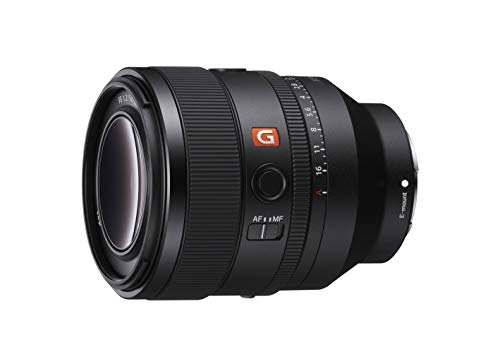
Sony’s FE 50mm F1.2 GM is a flagship prime built for E‑mount full‑frame bodies. It emphasizes extreme shallow depth of field, high resolution, and reliable autofocus. The lens uses three XA (extreme aspheric) elements to deliver edge‑to‑edge sharpness and exceptionally smooth bokeh, while a maximum aperture of f/1.2 enables low‑light photography and subject isolation. It is designed to balance a compact form with professional image quality, making it a strong choice for portraits, weddings, and creative street photography on Sony cameras.
Key attributes include a maximum magnification that supports expressive close‑ups, a narrow angle of view at APS‑C, and a front‑heavy design that remains stable during handheld shooting. The combination of G Master optics and precise AF performance helps maintain consistent rendering from wide to mid‑telephoto perspectives, delivering a distinctive, cinematic look in a highly portable package.
Sigma 50mm F1.2 DG DN for Sony E

Sigma’s 50mm F1.2 DG DN for Sony E focuses on a bright aperture with a lightweight body. It claims to be among the lightest in its class, designed to minimize focus breathing for video and stills, and to deliver strong performance in low-light environments. The lens is tailored for Sony E‑mount mirrorless cameras, providing a modern optical design that supports crisp rendering and expressive bokeh while keeping overall weight manageable for daily carry and long shoots.
Designed to maximize portability without sacrificing speed, this Sigma prime offers competitive image quality with notable efficiency in autofocus and color reproduction. It is well suited for portrait work, event photography, and creative street shooting where a compact, fast 50mm can be advantageous on Sony bodies.
Buying Guide
Mount Compatibility And System Considerations
Start with your camera system. If you shoot on Canon RF, the RF 50mm f/1.2L USM provides native, optimal performance with quick AF and advanced coatings. DSLR users can opt for the EF 50mm f/1.2 L USM for classic field use, while Nikon Z shooters benefit from the NIKKOR Z 50mm f/1.2 S with a modern mount designed for high resolution and fast autofocus. Sony E‑mount users have multiple strong options, including the Sony GM and the Sigma DN, each delivering distinct rendering and handling. If you own multiple systems, assess cross‑brand compatibility and potential adapters, weighing convenience against autofocus precision and image quality.
Aperture, Image Quality And Bokeh
All lenses here feature a large f/1.2 maximum aperture, enabling exceptional subject isolation and shallow depth of field. Lens design choices—such as Sony’s G Master elements or Nikon’s Z system refinements—shape how edge sharpness, coma control, and bokeh render at wide apertures. Portrait work benefits from smooth background blur and natural skin tones; event and street photography gain from fast, reliable performance in low light. Optical coatings also influence contrast and flare resistance, particularly when shooting toward bright backgrounds or backlit subjects.
Autofocus Performance And Handling
Autofocus speed and reliability vary by brand and mount. Canon’s USM systems generally deliver fast, quiet AF with smooth manual override; Nikon Z lenses emphasize precise tracking for moving subjects; Sony GM primes concentrate on speed and accuracy with face/eye detection in real time. For video, consider focus breathing control and whether the lens offers features like a focus hold or robust manual focus rings. Handheld ergonomics, weight, and front element depth influence handling during extended shoots.
Physical Attributes: Size, Weight, Build
50mm f/1.2 primes are typically larger and heavier than standard primes due to the optical complexity required for wide‑open sharpness. Build quality varies by line: Canon L and Nikon S lenses emphasize robust construction; Sony GM focuses on a balance of weight, rigidity, and optical performance. Sigma often emphasizes portability with strong optical performance for mirrorless systems. If you shoot handheld all day or travel often, weight and balance become practical considerations for fatigue and stability.
Practical Scenarios And Recommendations
Portrait studios benefit from the creamy bokeh and accurate skin tones of these fast primes, especially when working with natural light or controlled lighting. Wedding and event photographers appreciate the combination of wide aperture and sharpness in dim venues. Street photographers may favor slightly lighter, more compact options for mobility, such as Sigma’s DN edition for Sony E or Sony’s GM line for quick, reliable results. DSLR users who require legacy compatibility should consider the Canon EF option, while mirrorless shooters should prioritize RF, Z, or Sony E choices based on system coherence and autofocus performance.
Comparisons And Overall Takeaway
Across brands, the 50mm f/1.2 family centers on speed and subject separation. Canon’s RF version is a flagship choice for EOS R users seeking top optical quality with on‑lens controls. The Canon EF and Nikon Z variants offer excellent image quality and robust construction for their respective ecosystems. Sony’s GM model delivers premier performance with a distinct rendering and bokeh, while Sigma’s DN for Sony E provides a lighter option with strong low‑light capabilities. Your best pick should align with your camera system, preferred handling, and whether you prioritize native autofocus speed, weather sealing, or a lighter travel setup.