Best Gimbals for Point‑And‑Shoot Cameras for Smooth On‑The‑Go Footage
In a world where candid moments demand stable video and sharp photos, compact gimbals turn point‑and‑shoot cameras into versatile filming tools. This guide highlights five handheld stabilizers that balance travel‑ready design with strong motor power, letting you shoot crisp footage with consumer mirrorless and compact cameras. Each pick fits common brands and lenses, and supports features like vertical shooting or quick release. The following sections provide quick pros and how they stack up for everyday creators, event shooters, and travelers who want cinematic results without carrying bulky rigs.
| Product | Key Benefit |
|---|---|
| DJI RS 3 Mini | Ultra‑lightweight travel companion with solid load capacity |
| DJI RS 4 Mini | Efficient vertical shooting and quick mode switching |
| DJI RS 4 Combo | Versatile 3‑axis stabilizer with vertical shooting |
| ZHIYUN Cinepeer Weebill 3E | High payload, native vertical, handheld comfort |
| ZHIYUN Cinepeer Weebill 3 | Strong stabilization for heavier mirrorless setups |
DJI RS 3 Mini Gimbal
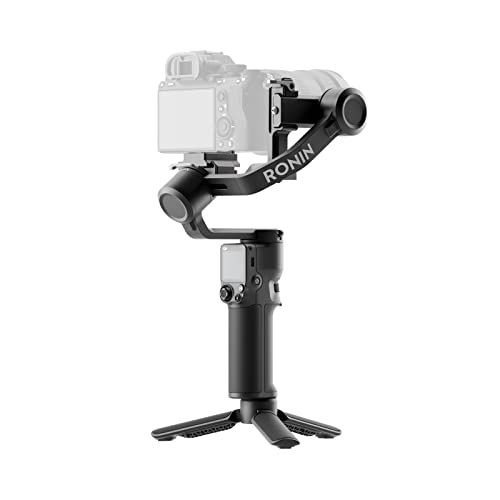
The DJI RS 3 Mini is an ultra‑compact 3‑axis stabilizer designed as a travel companion. Weighing just 795 g (1.75 lb), it offers a robust balance of portability and performance. Its high‑torque motors support a load up to 2 kg (4.4 lb), enabling a wide range of camera and lens combinations while keeping footage steady across dynamic moves. A Bluetooth shutter control feature allows your camera to reconnect after the initial pairing, enabling convenient control of photo capture and video recording directly from the gimbal. These traits make the RS 3 Mini a strong option for point‑and‑shoot users seeking reliable stabilization without bulk.
From concerts to city strolls, the RS 3 Mini helps maintain smooth pans and stable tracking with compact cameras and light mirrorless bodies. Its lightweight design reduces fatigue during extended shoots, and the gimbal’s compact footprint fits easily into small bags or carry‑on luggage. Compatibility spans major brands, so you can pair a variety of cameras and lenses you already own. For travelers and hobbyists who want to elevate handheld footage without adding significant weight, the RS 3 Mini provides a pragmatic balance of capability and portability.
NEEWER GM102 Gimbal Head

Note: While included in the broader stabilization category, the NEEWER GM102 is a gimbal head designed for tripods and telephoto lenses rather than a handheld, pocketable gimbal. Its primary use is for high‑weight, stationary setups on monopods, tripods, or sliders, enabling smooth tracking with larger cameras. When evaluating point‑and‑shoot needs, this product may be more suitable for static or low‑angle work where a dedicated tripod head is preferred over a handheld stabilizer.
DJI RS 4 Mini Gimbal

The DJI RS 4 Mini expands on compact gimbal technology with features optimized for quick, on‑the‑move shooting. It leverages a new generation of native vertical shooting and a joystick mode switch, enabling fast transitions between PF, PTF, and FPV modes to accommodate various shooting scenarios. The gimbal arms are coated with Teflon to reduce friction and improve balancing across all three axes, contributing to smoother rebalancing during setup. For point‑and‑shoot users who want a compact solution that can still manage a broader range of lenses and rigs, the RS 4 Mini offers a compelling blend of speed and stability.
In practice, this model supports rapid setup and more fluid composition choices, including quick orientation changes between horizontal and vertical footage. The improved axis materials and precise balancing help maintain stable results when moving through crowds or tracking subjects with lightweight mirrorless cameras. The RS 4 Mini is well suited for creators who require fast ready‑to‑shoot capabilities in a small form factor without sacrificing stabilization quality.
DJI RS 4 Combo Gimbal
The DJI RS 4 Combo pairs a 3‑axis gimbal stabilizer with enhanced control features designed for DSLR and mirrorless cameras. It supports native vertical shooting, making it easier to create portrait‑oriented content for social platforms without extra accessories. A joystick mode switch allows quick transitions between PF, PTF, and FPV settings, letting you adapt to subject movement and framing on the fly. The combination of refined balancing, reliable motors, and vertical‑ready design makes the RS 4 Combo a versatile choice for creators who frequently switch between landscape and portrait formats in the field.
Balancing accuracy and ease of use are central to this kit. The RS 4 Combo’s robust construction helps stabilize heavier cameras relative to typical pocket gimbals, while still remaining portable enough for travel. For point‑and‑shoot operators stepping up to a more capable kit, this model delivers a reliable path to smoother tracking shots, steadier pans, and consistent framing across varied shooting conditions.
ZHIYUN Cinepeer Weebill 3E

The Weebill 3E from ZHIYUN is a compact 3‑axis stabilizer designed for Canon, Sony, Panasonic, and Nikon mirrorless setups, with a tested payload up to 3 kg (6.6 lb). It emphasizes native vertical shooting, allowing quick mounting to vertical arms without extra components, which is ideal for social media content creation. The device includes Bluetooth shutter control, enabling wireless recording and capture to minimize cable clutter during shoots. The package notes emphasize simplicity of use, with paper manuals provided to guide setup and operation, reducing learning time for new users.
The Weebill 3E aims at balancing portability and performance for mid‑sized cameras. Its lighter weight and ergonomic grip reduce fatigue during longer sessions, while the vertical shooting capability provides a straightforward path to portrait‑forward content. Users should verify model compatibility and required cables for their camera brand, as some connections may require additional adapters. Overall, the 3E suits creators who want a compact, vertically oriented stabilizer with reliable Bluetooth control and straightforward setup.
ZHIYUN Cinepeer Weebill 3

The Weebill 3 is a versatile, lightweight 3‑axis stabilizer built for DSLR and mirrorless cameras, with a native vertical shooting option and a substantial 3 kg (6.6 lb) payload. Weighing roughly 1.05 kg, it combines portability with the capacity to support larger lenses and bodies than entry‑level models. A compact handle design reduces fatigue, and Bluetooth shutter control provides wireless camera operation for smoother workflows. It is important to note that the WB3E package requires specific control cables for Canon, Sony, and others; potential buyers should check compatibility before purchase to ensure seamless integration with their camera system.
For creators who balance weight and capability, the Weebill 3 delivers dependable stabilization with an ergonomic form factor. It supports vertical shooting without disassembly, which speeds up content creation for social clips and short videos. As with any mid‑range gimbal, verifying camera compatibility and accessory needs is essential to maximize performance and minimize setup time in the field.
Buying Guide
Choosing the right gimbal for point‑and‑shoot cameras involves balancing payload, portability, and workflow needs. Consider these factors to align a purchase with your shooting style:
- Payload capacity: Match the gimbal’s max load to your camera body and lens. For compact cameras and light mirrorless systems, a 2–3 kg payload is typically sufficient, while heavier rigs may require a larger stabilizer.
- Portability: If you travel frequently, prioritize lightweight, compact models with quick balance. Gimbals like the RS 3 Mini emphasize travel readiness without sacrificing stabilization quality.
- Vertical shooting: Portrait‑oriented content is increasingly common. Models with native vertical shooting simplify setup and reduce accessory needs.
- Balancing and setup speed: Quick‑release plates, axis locks, and intuitive balancing reduce downtime between takes. Auto‑lock features can speed up first setups in fast scenarios.
- Control and connectivity: Bluetooth shutter control and app integration streamline operation, enabling remote capture and smoother workflows when managing multiple shots or solo shoots.
- Compatibility and cables: Verify camera brands and required cables for device control. Some models require extra cables to connect to Canon, Sony, or Panasonic bodies.
- Battery life and charging: Check runtime and whether USB‑C charging is supported for on‑the‑go shoots, especially during long outdoor sessions.
- Accessories ecosystem: A robust range of accessories—tripod mounts, extension handles, and quick‑release plates—can extend versatility for varying shoots.
- Cost vs. value: More capable stabilizers add weight and price. For point‑and‑shoot users, a balanced choice often lies between portability and stabilization performance.
In practice, the best option depends on your typical use cases. A traveler shooting casual clips may prioritize a lighter, simpler system, while event shooters or vloggers who switch between horizontal and vertical framing might favor a model with strong vertical capabilities and quick mode switching. For heavier lenses or larger mirrorless bodies, a higher payload gimbal with reliable balancing and robust motors is advisable. Always verify compatibility with your specific camera and lenses, and consider a model that supports easy upgrades or accessories to adapt as your kit evolves.