Best Super 8 Color Reversal Film and Related Options for Vintage Cinema
Discover the best options for shooting Super 8 film, from classic color reversal (positive) stock to related color negative and black-and-white reversal choices. This guide highlights five top picks, their key features, and what to consider when choosing film for retro projects, home movies, or experimental cinema. Learn how each stock renders color, skin tones, and grain, so you can select the right film for your project.
| Product | Brand | Type |
|---|---|---|
| Kodak Super 8 Color Reversal, Ektachrom 100D 7294/50′ Cartridge | KODAK | Color Reversal |
| Kodak TXR-464 Tri-X Reversal Black & White, 50 Foot Cartridge | KODAK | Black & White Reversal |
| Foma Fomapan R100 Black & White Reversal Film | foma | Black & White Reversal |
| Kodak Super 8 Color Negative VISION3 500T 7219/50′ Cartridge | KODAK | Color Negative |
| Kodak Super 8 Color Negative VISION3 50D 7203/50′ Cartridge | KODAK | Color Negative |
The following sections provide detailed product insights. Each entry covers essential attributes such as film width, length, perforation, processing needs, and notable performance characteristics to help you compare options quickly.
Kodak Super 8 Color Reversal, Ektachrom 100D

Film Type: Color reversal. The Kodak Ektachrom 100D delivers high saturation with a distinct, vintage look. It reproduces a neutral grayscale and accurate skin tones when processed with standard E-6 development. Width and length are typical for Super 8 cartridges, making it suitable for hand-cranked or small-camera shoots with classic color rendering. Use in controlled lighting to preserve exposure latitude and minimize color shifts in bright sun or mixed lighting. This stock is favored for nostalgic projects and archival work that benefits from vivid color and optimistic contrast.
Kodak TXR-464 Tri-X Reversal Black & White
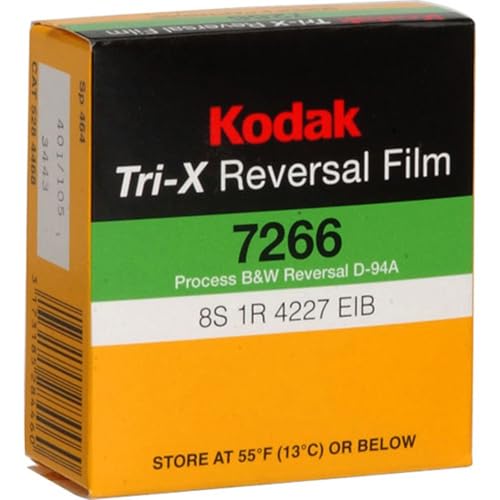
Film Type: Black & white reversal. This stock offers classic Tri-X tonal range with the characteristic grain structure of B&W reversal film. ASA/ISO in practice varies depending on lighting conditions, and it requires careful exposure management to avoid overexposure in bright daylight. Reversal stock means you see the final image without a negative print, which is ideal for quick-turnaround projects or archival footage. It’s a solid option for stylized, high-contrast looks in Super 8 cinema.
Foma Fomapan R100 Black & White Reversal

Film Type: Black & white reversal. Foma’s R100 offers true black-and-white reversal in a 2x8mm standard format, designed for alternative 8mm workflows. It uses a 10-meter roll with a 264-image breakdown per meter, making it suitable for experimental sequences or short-form projects. Not intended for traditional reels, it’s best used when a distinctive B&W reversal aesthetic is the goal and the filmmaker is comfortable with unconventional framing formats.
Kodak Super 8 Color Negative VISION3 500T

Film Type: Color negative. The Vision3 500T stock is designed for indoor and dim lighting, offering broad latitude and rich color rendition when processed in standard C-41 chemistry. It is a flexible option for Super 8 cinema that requires strong performance in tungsten-styled environments or stage lighting. The higher ISO helps capture motion with less grain under lower light, making it suitable for documentary-style shoots or low-light narrative scenes.
Kodak Super 8 Color Negative VISION3 50D
Film Type: Color negative. The Vision3 50D stock is optimized for daylight exposure and delivers vibrant color and smooth tonal reproduction when processed in C-41 chemistry. It’s well-suited for outdoor scenes, travel footage, and family films where natural light provides crisp color and a soft contrast. When shooting with this stock, ensure appropriate exposure in bright conditions to avoid clipping highlights.
Buying Guide: Key Considerations For Super 8 Film Purchases
When selecting film for Super 8 projects, consider these factors to align with your creative goals and equipment limitations.
- Film Type: Color reversal (positive) stock yields a viewable image without processing; color negative requires processing to produce display-ready frames. Black & white reversal showcases classic tonal range and grain for a timeless look.
- Exposure Latitude: Higher ISO stocks perform better in low light but can introduce more grain. Lower ISO stocks require ample light for balanced exposure and color accuracy.
- Processing Requirements: Reversal films need E-6 processing, while color negatives use C-41 and B&W reversal uses specialized or lab processing. Ensure your lab supports the specific stock.
- Camera Compatibility: Check perforation, film width, and cartridge dimensions to ensure compatibility with your Super 8 camera and magazine.
- Grip And Lighting: Color and black-and-white reversal stocks respond differently to lighting. Use consistent lighting for predictable results to maintain skin tones and color balance in scenes.
- Archival Considerations: Reversal stocks provide instant positive images but may fade with time if not stored properly. Color-negative prints require a negative-to-positive workflow for display but can offer preservation through prints.
- Grain And Aesthetic: Reversal stocks often have distinctive grain and saturation profiles. Choose based on whether you want vivid color, muted tones, or a high-contrast look.
For practical planning, assemble a small kit with a color reversal option for reference shots, a couple of color negative options for daylight and low-light scenes, and a B&W reversal for artistic sequences. Testing a short reel with each stock helps quantify color rendition, contrast, and grain that align with your project’s goals.