Best Lenses for Micro Four Thirds: Top Picks for Your MFT Camera
The Micro Four Thirds system benefits from compact, versatile lenses that maximize image quality without adding bulk. This guide highlights five standout options to cover a range of shooting needs—from fast primes for portraits and street photography to versatile zooms for travel and everyday use. Each lens is evaluated for sharpness, autofocus performance, and portability to help you pick the right glass for your Micro Four Thirds camera body.
| Product | Brand | Focal Range | Best For |
|---|---|---|---|
| Panasonic LUMIX G 25mm | Panasonic | 25mm | Low light, portraits, everyday shooting |
| Panasonic LUMIX G VARIO 45-150mm | Panasonic | 45-150mm | Telephoto reach, travel, video |
| Panasonic LUMIX G VARIO 45-200mm | Panasonic | 45-200mm | Extended telephoto, stabilization |
| OM System M.Zuiko Digital 40-150mm F4.0-5.6 R | OM SYSTEM | 40-150mm | Lightweight zoom, travel, portrait |
| YONGNUO YN25mm F1.7M | YONGNUO | 25mm | Bright prime, street, indoor |
Below are five detailed sections for the selected lenses. Each section provides key features, practical considerations, and how a given lens fits into common Micro Four Thirds workflows. All links open in a new tab for quick comparison.
Panasonic LUMIX G 25mm F1.7 ASPH

The Panasonic 25mm F1.7 is a compact, lightweight prime designed for Micro Four Thirds cameras. With an F1.7 maximum aperture, it delivers strong background separation and impressive low-light performance while preserving a natural 50mm equivalent field of view. The lens uses an 8-element-in-7-group construction, including aspherical and Ultra High Refractive (UHR) elements to minimize distortion and improve sharpness across the frame. Its small footprint makes it a natural walk-around lens for street photography and everyday shooting, especially when you want a flattering perspective without adding bulk.
Autofocus is smooth and efficient for both stills and video, aided by a compact internal design that keeps balance on smaller Micro Four Thirds bodies. This lens is best when you need a discrete, fast-aperture prime for portraits, indoor events, or travel where light control and portability trump extreme zoom flexibility.
Panasonic LUMIX G VARIO 45-150mm F4.0-5.6

This telephoto zoom covers a useful 45-150mm range, providing flexible framing for portraits, sports, and travel. The lens incorporates an inner focusing mechanism and a stepping motor to ensure near-silent, smooth AF performance, which is particularly valuable for video capture and candid photography. Built with a multi-coated optical design across 12 elements in 9 groups, it helps minimize ghosting and flare for high-contrast scenes. Paired with Panasonic bodies that feature Mega O.I.S., this lens offers effective stabilization to reduce camera shake in lower light or at longer focal lengths.
Its compact form, combined with reliable autofocus, makes it a strong everyday telephoto option for Micro Four Thirds shooters who want reach without carrying a bulky lens. It is well-suited for travel, events, and casual wildlife photography where flexibility matters.
Panasonic LUMIX G VARIO 45-200mm F4.0-5.6

The 45-200mm model provides a broader telephoto reach with a focal range that covers everyday portraits to distant subjects. Its focal length span makes it a versatile option for travel photography, sports, or wildlife where length matters. The built-in Optical Image Stabilization reduces blur from camera shake, especially at longer focal lengths, helping produce crisper imagery in handheld shooting. The lens is designed for Micro Four Thirds cameras, delivering a compact, portable package with good optical performance for its class.
Compared with shorter zooms, this lens excels when you need more subject isolation or the ability to crop creatively in-camera. It’s a practical upgrade for photographers who regularly shoot from a distance or want to capture action without switching lenses frequently.
OM System M.Zuiko Digital 40-150mm F4.0-5.6 R

The Olympus M.Zuiko 40-150mm F4.0-5.6 R is a lightweight zoom that blends portability with practical reach. Its 40-150mm range yields a versatile 80-300mm equivalent field of view, making it suitable for portraits, travel scenes, and everyday photography. The lens design prioritizes a compact footprint while delivering solid optical performance, with a focus on smooth autofocus (MSC) for efficient video and stills workflows. Its very light construction makes it a popular choice for photographers who want more range without adding substantial weight to their kit.
For MFT shooters who value travel readiness, this lens offers a balance between size, weight, and performance. It pairs well with compact bodies and provides a flexible option when you want to shoot both landscapes and people without swapping lenses often.
YONGNUO YN25mm F1.7M Auto Focus Prime
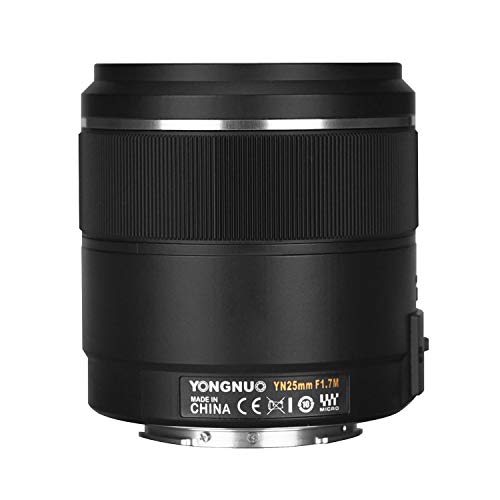
The Yongnuo YN25mm F1.7M is a compact fast prime designed for Micro Four Thirds cameras. With a bright F/1.7 aperture and a 25mm focal length, it offers strong low-light performance and a shallow depth of field for portraits and indoor photography. The lens supports both Auto Focus and Manual Focus, giving photographers flexibility in different shooting scenarios. It’s built for the MFT system standard, compatible with Olympus and Panasonic bodies, and aims to deliver reliable sharpness and contrast with a lightweight, portable form factor.
Ideal for street photography, indoor events, and everyday carry, this prime lens helps photographers maximize image quality in varied lighting while maintaining a small, travel-friendly profile. It’s a budget-friendly option that still emphasizes image clarity and a pleasant bokeh characteristic for MFT shooters.
OM System M.Zuiko Digital 40-150mm F4.0-5.6 R Silver

Note: The silver variant is the same focal range and specifications as the black version, offering a visually distinct option for users who prefer a brighter look in their kit. The focal length, aperture range, and autofocus performance are aligned with the black model, delivering similar optical performance and stabilization. This lens remains a practical choice for those seeking a lightweight telephoto zoom with decent reach for portraits, travel, and casual wildlife photography.
Buying Guide: Key Purchase Considerations For Micro Four Thirds Lenses
Focal Range And Speed
Prime lenses (like the 25mm F1.7 options) excel in low light and offer shallow depth of field, ideal for portraits and indoor work. Zooms (like the 40-150mm and 45-200mm) provide flexibility for travel, events, and wildlife without swapping lenses. Consider your typical shooting distance and subject types when choosing between fast primes and versatile zooms.
Optical Stabilization
Stabilized lenses help minimize camera shake, particularly at longer focal lengths or in dim settings. When paired with body stabilization, this can dramatically improve handheld image quality in both photos and videos. If you frequently shoot handheld or record video, prioritizing IS is a strong choice.
Weight And Portability
Micro Four Thirds cameras benefit from compact lenses that maintain balance and handling. If you travel often or shoot on the go, a lightweight prime like the 25mm F1.7 or a compact zoom such as the 40-150mm can reduce fatigue without sacrificing reach or brightness.
Autofocus Performance
Silently functioning autofocus is valuable for video work and candid street photography. Lenses with smooth AF motors (like MSC or stepping motors) help maintain focus accuracy while keeping noise to a minimum, preserving audio quality and keeping your subject in sharp focus.
Image Quality And Build
Look for lenses with multi-coating and aspherical elements to control ghosting, flare, and distortion. A robust build with weather sealing and reliable focusing mechanics supports long-term use across different shooting conditions.
Budget And Compatibility
Value-focused options like the Yongnuo and certain third-party primes provide good performance without a premium price. Ensure compatibility with your camera body and confirm autofocus behavior and manual focus ease if you rely on manual focus for artistic control.
Combining the right lenses with your Micro Four Thirds body depends on your typical subjects, preferred shooting style, and how much you value portability versus reach. The selections above offer a spectrum from fast primes to versatile zooms, enabling a flexible setup for an American photographer seeking reliable performance in everyday and special-use scenarios.