Best 35Mm Film Cameras and Essentials for Classic Photography
Discover a curated look at 35mm film options that define classic photography. From pocket-sized film cameras to versatile color negative films, these picks cover entry-level and hobbyist needs. Below are five top choices that pair well with the 35mm format, offering varied features for everyday shooting, travel, and creative experimentation. The summaries highlight what makes each option suitable for enthusiasts revisiting analog photography and newcomers exploring film culture.
Summary Of Selected Products
| Product | Brand | Type | Key Benefit |
|---|---|---|---|
| KODAK EKTAR H35 Half Frame Film Camera | KODAK | Half-Frame 35mm Camera | Double the exposures for longer shoots |
| KODAK Snapic A1 35mm Film Camera | KODAK | Compact 35mm Camera | Two-zone focus and built-in flash |
| RETO Ultra Wide and Slim 35mm Camera | RETO | Reusable 35mm Camera | 22mm ultra-wide lens for expansive views |
| Kodak Ultramax 400 Color Print Film | KODAK | Color Negative Film | Balanced color with broad exposure latitude |
| FUJIFILM 400 Color Negative Film | Fujifilm | Color Negative Film | Vibrant colors and reliable performance |
KODAK EKTAR H35 Half Frame Film Camera

KODAK EKTAR H35 is a pocket-size, reusable 35mm camera designed for film enthusiasts seeking a simple, focus-free experience with a built-in flash. Its film-saving design doubles the number of exposures per roll, enabling more shots per session without changing rolls prematurely. The camera emphasizes portability and ease of use, making it suitable for day trips, street photography, and casual daily shooting. It’s a practical starter for those exploring half-frame formats and retro aesthetics.
KODAK Snapic A1 35mm Film Camera

The KODAK Snapic A1 blends compact size with practical features for everyday photography. Its 2-zone focus helps users quickly frame shots across different scenes, while a built-in auto flash supports both day and night photography. The camera’s lightweight design makes it easy to carry on outings, while its simple controls appeal to beginners and casual shooters looking for reliable 35mm results without a steep learning curve.
RETO Ultra Wide and Slim 35mm Camera

RETO’s Ultra Wide and Slim is a lightweight, reusable 35mm camera featuring a 22mm ultra-wide lens, which captures expansive scenes and all-in-one compositions. The focus-free design simplifies operation for beginners, while the daylight-friendly build makes it a versatile option for travel, street photography, and landscape shots. Its compact form encourages spontaneous shooting with a broad perspective.
KODAK Ultramax 400 Color Print Film
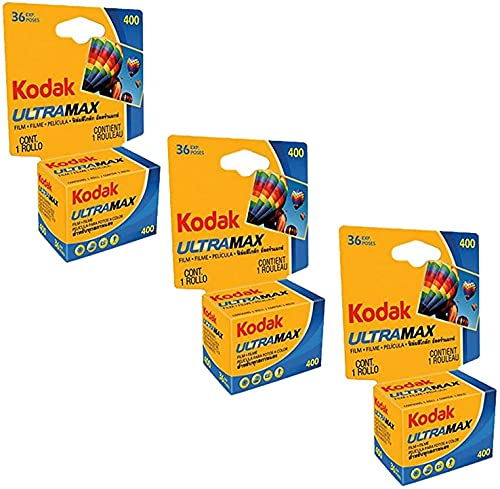
KODAK Ultramax 400 is a versatile color negative film offering a balance of color, sharpness, and grain structure appropriate for everyday shooting. With 36 exposures per roll, this ISO 400 film performs well in a variety of lighting conditions, from sunlit outdoor scenes to dim indoors. Its broad exposure latitude makes it a forgiving choice for hobbyists capturing family moments, travel memories, and street scenes.
Kodak Gold 200 35mm Film Bundle

Kodak Gold 200 is a dependable color negative film with 36 exposures per roll, designed to deliver vivid colors and consistent tone. This 3-pack bundle offers flexibility for various shooting scenarios—from portraits to landscapes—while preserving a warm, classic color rendition that film photography enthusiasts value for everyday use.
Buying Guide: Key Purchase Considerations For 35mm Film Photography
- Camera format and type: Decide between compact point-and-shoot, half-frame, or reusable 35mm cameras based on how you shoot and carry gear. Half-frame cameras double exposures per roll, while reusable models offer more control and flexibility in lens and exposure choices.
- Lens and field of view: A wide lens (like 22mm) captures expansive scenes and is ideal for landscapes or crowded urban settings. Standard primes provide flattering portraits, while macro-capable lenses are best for close-ups.
- Film stock selection: Color negative films (e.g., ISO 200–400) are versatile for varying lighting. ISO 400 films perform better in challenging light and high-contrast scenes, while 200 ISO delivers finer grain for controlled environments.
- Exposure and lighting: Understanding film latitude helps compensate for indoor versus outdoor lighting. Auto flash on some cameras can fill shadows in low light, but natural light often yields the most pleasing skin tones on color film.
- Maintenance and handling: Proper loading, unloading, and storage of film reduce dust and color shifts. Keep film in a cool, dry place, and protect from direct heat.
- Project goals: If you want retro aesthetics, select film stocks with warm tones and gentle contrast. For sharper images, look for films known for fine grain and high sharpness relative to your subject matter.
- Cost and availability: Stock up on a few rolls to ensure you don’t run out during a session. Consider film bundles that include cleaning cloths or accessories to maintain your camera and film quality.
- Compatibility: Ensure the film you buy matches your camera’s 35mm format and manufacturing standards. Some cameras may have features that work best with certain film types or speeds.