Best 3-Axis DSLR Brushless Gimbals for Smooth Video
For cinematic stability on the move, a 3-axis brushless gimbal can dramatically elevate video quality with minimal effort. This guide highlights five top gimbals that balance payload capacity, portability, and advanced shooting modes for DSLR and mirrorless cameras. Each pick supports vertical shooting for social content and offers features like motor torque improvements, quick mode switching, and reliable Bluetooth control. Whether you’re traveling light or mounting heavier rigs, these gimbals are designed to keep footage steady in dynamic environments.
Summary of selected products:
| Product | Brand | Max Payload | Key Feature |
|---|---|---|---|
| RS 3 Mini | DJI | 2 kg (4.4 lbs) | Ultra-compact, lightweight, wide compatibility |
| RS 4 | DJI | 2 kg (4.4 lbs) | Second-Gen vertical shooting, versatile modes |
| RS 4 Combo | DJI | 2 kg (4.4 lbs) | Native vertical shooting, two-mode joystick |
| RS 4 Pro Combo | DJI | 4.5 kg (10 lbs) | High payload, extended torque, dual focus control |
| Weebill S | ZHIYUN | Varies by camera, supports many mid-size setups | Compact, ergonomic sling grip, strong stabilization |
DJI RS 3 Mini — Ultra-Compact Gimbal for DSLRs and Mirrorless
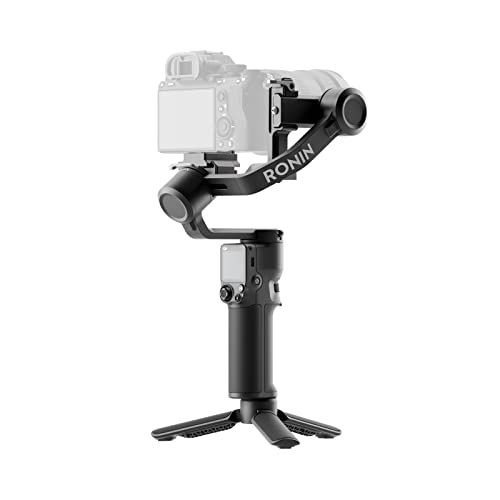
The RS 3 Mini is designed for mobility without sacrificing stability. Weighing 795 g (1.75 lbs), it offers a robust 2 kg (4.4 lbs) payload capacity, enabling a wide range of camera and lens combinations. Its compact form makes it ideal for travel and on-the-go shoots, while native vertical shooting supports quick social content creation. Bluetooth shutter control adds convenience for capturing stills and video with minimal hand effort. This model targets shooters seeking a balance between portability and performance, especially when paired with lightweight DSLRs or compact mirrorless kits.
DJI RS 4 — Versatile 3-Axis Gimbal for DSLR and Mirrorless

The RS 4 introduces 2nd-Gen Native Vertical Shooting with a new horizontal plate for efficient vertical content creation. A joystick mode switch enables quick transitions between PF, PTF, and FPV modes, matching shooting requirements from steady panoramas to dynamic moves. Its Teflon-coated axis arms reduce friction for smoother balancing across all three axes, delivering precise control during complex shots. This model is well-suited for shooters who frequently switch between horizontal and vertical formats during sessions.
DJI RS 4 Combo — Native Vertical Shooting with Dual-Mode Joystick

The RS 4 Combo adds native vertical shooting capabilities alongside a responsive joystick for zoom and gimbal control. The combination is designed for content creators who need a quick, reliable transition to vertical formats without extra accessories. The gimbal employs a similar friction-reducing, Teflon-coated axis system as the RS 4, delivering smooth motion and accurate framing for a variety of camera setups, including mid-range DSLR and mirrorless kits.
DJI RS 4 Pro Combo — High Payload for Professional Cameras
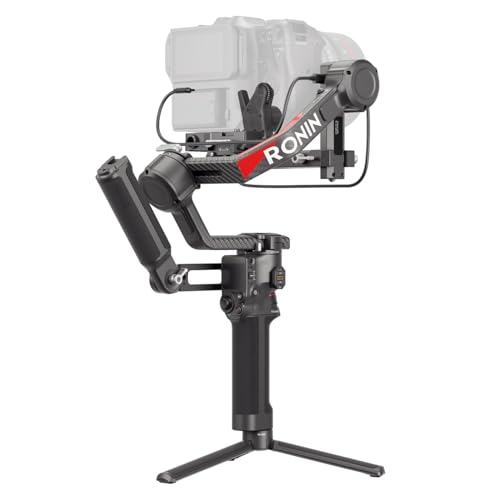
The RS 4 Pro Combo expands creative possibilities with a 4.5 kg (10 lbs) tested payload and extended carbon fiber axis arms. The higher torque capacity supports more demanding camera-lens combinations, including cinema-style setups. A notable feature is remote dual focus and zoom motor control, enabling precise lens adjustments via a dedicated joystick. This model is aimed at professionals who need robust stabilization for heavier rigs while maintaining rapid, precise operation in dynamic shoots.
DJI RS 3 Pro Combo — Heavy-Duty Stabilization for Cinema

The RS 3 Pro Combo emphasizes automated axis locks for quick transitions and storage, plus extended carbon fiber axis arms to support professional camera and lens rigs. With a maximum tested payload of 4.5 kg (10 lbs) and a compact base, it balances the need for serious payload capacity with portability for on-location shoots. The inclusion of a Ronin image transmitter in some bundles adds wireless monitoring options for seasoned filmmakers working in varied environments.
Buying Guide: Key Purchase Considerations
- Payload needs: Match gimbal capacity to your camera body plus lens weight, plus any accessories like recorders or matte boxes. Overloading can reduce stabilization effectiveness.
- Weight and portability: If you travel frequently, lighter rigs (like RS 3 Mini or Weebill S) offer easier handling, while heavier models provide more camera options but require stronger support and power considerations.
- Vertical shooting capability: For social content creators, native vertical shooting reduces setup time and preserves image quality without adapter plates.
- Mode versatility: Look for gimbals with flexible mode switching (PF, PTF, FPV) and joystick control for quick adjustments during shoots.
- Power and battery life: Consider battery life and charging options, especially for long shoots or events. Some kits include multiple batteries and extended handles.
- Build quality and materials: Carbon fiber arms and precision bearings improve stability and reduce weight. Check if arms are replaceable or upgradeable.
- Connectivity: Bluetooth shutter control or wireless focus/zoom capabilities can reduce tethering and simplify operation on the move.
- Compatibility: Verify camera brands and models supported, as some gimbals require cables or adapters for full control across brands.
- Ergonomics: Handle design, balance, and grip shape affect fatigue over long shoots. Sling-style grips (as found on Weebill S) often offer improved comfort.
- Support ecosystem: Some brands offer transmitter options, additional accessories, and robust after-sales support, which can influence total ownership costs.
Across these options, DJI models emphasize high payload capability with versatile vertical shooting and advanced motor torque, suitable for professional setups and demanding shoots. Zhiyun’s Weebill S and related models prioritize compact ergonomics and user-friendly control, appealing to vloggers and independent creators seeking portability without sacrificing stabilization quality.